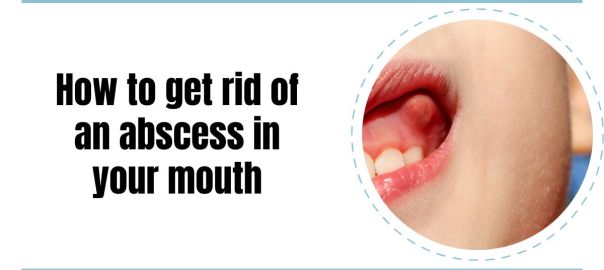
An abscess in your mouth could pain and be uncomfortable. If you want to halt the discomfort and stop it from getting worse, you need to address this situation right away. This article will discuss how to treat a mouth abscess. You will learn everything necessary, including how to care for yourself at home and seek medical attention.
Oral abscesses, which negatively impact dental health, are a common issue. A bacterial infection leads to a concentrated fluid buildup. In the mouth, abscesses can form on the gums, teeth, and dental roots, among other places. It’s crucial to find efficient remedies because the pain and agony brought on by an abscess can greatly disrupt your daily life.
Knowing mouth abscess
Mouth abscesses are often brought on by a bacterial infection, which is frequently caused by poor oral hygiene, tooth decay, or gum disease. Pus-filled pockets form when bacteria attack the tooth or adjacent tissues. Severe discomfort, swelling, redness, and even fever can be brought on by an abscess.
Symptoms and signs
Receiving the proper care requires being aware of the signs of a mouth abscess. Excruciating toothache, face or jaw puffiness, trouble chewing, sensitivity to hot and cold temperatures, foul breath, and a sour aftertaste are all common symptoms. If you see any of these symptoms, you should seek medical assistance right once.
Remedies at home for mouth abscess
There are certain things you may do at home to help reduce the pain and discomfort of a mouth abscess, even though you should see a dentist for an accurate diagnosis and treatment. These include maintaining good oral hygiene by regularly brushing and flossing, utilizing herbal medicines like clove oil or tea tree oil, applying a cold compress to the affected area, and washing your mouth with warm salt water.
Over-the-counter drugs
Ibuprofen or acetaminophen, two over-the-counter painkillers, can assist alleviate the discomfort brought on by a mouth abscess. It’s crucial to keep in mind, though, that these drugs only offer transient comfort and should not be viewed as a permanent fix. To address the root cause of the abscess, skilled dental care is required. If you are in Arlington, Virginia, Visit Virginia Dental Clinic for the best mouth abscess treatment.
Treatment with a dentist
You frequently need to visit a dentist if you want to effectively treat a mouth abscess. The method of treatment may vary depending on the location and severity of the abscess. Abcess drainage, root canal therapy, tooth extraction, and periodontal therapy are a few frequent therapies. Your dentist will examine your issue and recommend the most effective course of action.
Preventive advice
It is usually preferable to avoid issues than to have to deal with them when it comes to dental health. Maintaining good dental hygiene is crucial if you want to reduce your risk of developing a mouth abscess. This includes flossing often, brushing your teeth at least twice daily, using an antimicrobial mouthwash, and visiting the dentist for routine examinations and cleanings. Avoid smoking, and reduce the amount of sugar you consume.
When should I get medical help?
Even while DIY remedies and over-the-counter medications could provide short-term relief, you should consult a dentist if you have an abscess in mouth on gum. If you experience severe pain, swelling that worsens or spreads, difficulty breathing or swallowing, a persistent fever, or if the abscess is hurting your general health, you should see your dentist right away. To prevent more issues and guarantee good care, immediate dental intervention is crucial.
Conclusion
It can hurt when you have a mouth abscess, but with the appropriate care, you can get rid of it. The most crucial step is to address the abscess’s underlying cause and alleviate pain and soreness, whether you utilize home treatments or visit a dentist. You can prevent mouth abscesses from returning and enhance your overall oral health by taking good care of your teeth and seeking dental care when you need it.
 Blogosphere